
Yield optimization explained: getting the most from every impression
Yield optimization is the discipline of maximizing revenue from a publisher's inventory — through floors, demand mix, formats, and timing. Here's what yield management means, the levers that drive it, and why the real gains are moving pre-auction.
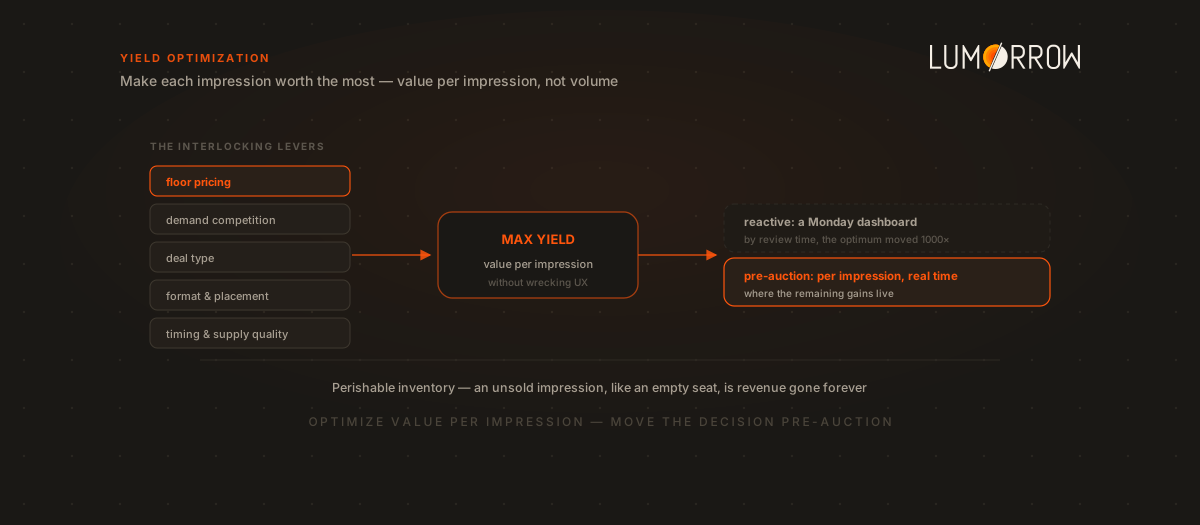
Every publisher has a finite amount of inventory and an obvious goal: earn as much from it as possible without wrecking the user experience. The discipline of doing that systematically is yield optimization — and it’s where a monetization team actually earns its keep. It ties together nearly every other topic in ad tech into one question: how do I make each impression worth the most?
Here’s what yield optimization is and the levers that drive it.
What yield optimization is
Yield optimization (or yield management) is the practice of maximizing the revenue a publisher earns from its available ad inventory. It borrows the concept from airlines and hotels — perishable inventory that’s worth nothing once unsold, so the goal is to extract the most value from each unit before it expires. An unsold impression, like an empty airline seat, is revenue gone forever.
The headline metric is eCPM — effective revenue per thousand impressions — but as that guide explains, the average eCPM hides more than it reveals. Real yield optimization works at the level of individual segments and impressions.
The core levers
Yield is driven by a handful of interconnected controls:
- Floor pricing. The single most direct lever — the minimum bid an impression accepts. Set it well and you protect value and push buyers up; set it statically and you leak revenue on both sides. This is the closest lever to pure yield.
- Demand mix and competition. More competing demand means higher clearing prices. Header bidding and Prebid exist largely to maximize the number of buyers competing for each impression.
- Deal type. Pushing premium inventory into PMPs, preferred deals, and programmatic guaranteed captures more value than the open auction alone.
- Format and placement. CTV, video, and native clear at very different prices; optimizing which formats run where is a yield decision.
- Timing and context. Auction dynamics shift by time of day, day of week, and context — the same impression is worth different amounts at different moments.
- Supply quality. Clean, verifiable supply paths and low fraud/MFA exposure command better prices; junk supply drags value down.
The balance: revenue vs. experience
Yield optimization isn’t “cram in more ads.” Beyond a point, more ad load, aggressive refresh, and intrusive formats degrade the user experience — costing audience, engagement, and long-term revenue. True yield optimization maximizes sustainable revenue: the most value per impression without eroding the audience that produces the impressions. Attention-based thinking reinforces this — a smaller number of high-attention impressions can be worth more than a flood of ignored ones.
Yield optimization isn’t about squeezing more ads onto the page — it’s about making each impression worth more. The publishers who win optimize value per impression, not volume of impressions.
Why the gains are moving pre-auction
Here’s the shift that matters most. Traditional yield management is reactive: pull a report, notice a placement underperformed, adjust the floor for next time. But by the time you review it, the optimal settings have changed thousands of times. The frontier of yield optimization is pre-auction and per-impression — deciding, in real time and for each individual request, the right floor, the right demand, and whether the impression is even worth transacting on. That’s a different architecture from a Monday-morning dashboard, and it’s where the remaining yield lives — the conviction behind an AI-native exchange.
The takeaway
Yield optimization is the discipline of maximizing sustainable revenue from a publisher’s perishable inventory — using floors, demand competition, deal types, formats, timing, and supply quality as interlocking levers, and judged on value per impression rather than raw volume. The biggest remaining gains have moved from reactive, report-driven tuning to real-time, per-impression decisioning made before the auction. Get the levers right, protect the experience, and push the decisioning as close to the impression as possible.
Lumorrow computes floors and evaluates quality per impression, in real time, pre-auction — moving yield optimization from a report you read to a decision made on every request. See how the platform works → or explore it as a publisher →.